Endpoint Security for Hospitals and Clinics
By CtrlOne Team ·
Hospitals and clinics run some of the most demanding endpoints anywhere: shared workstations at nursing stations, machines in exam rooms, and devices that must stay usable 24/7 while handling sensitive patient information. Downtime and lockups are not acceptable, yet the security stakes are high. This post covers how CtrlOne secures clinical endpoints without getting in the way of care.
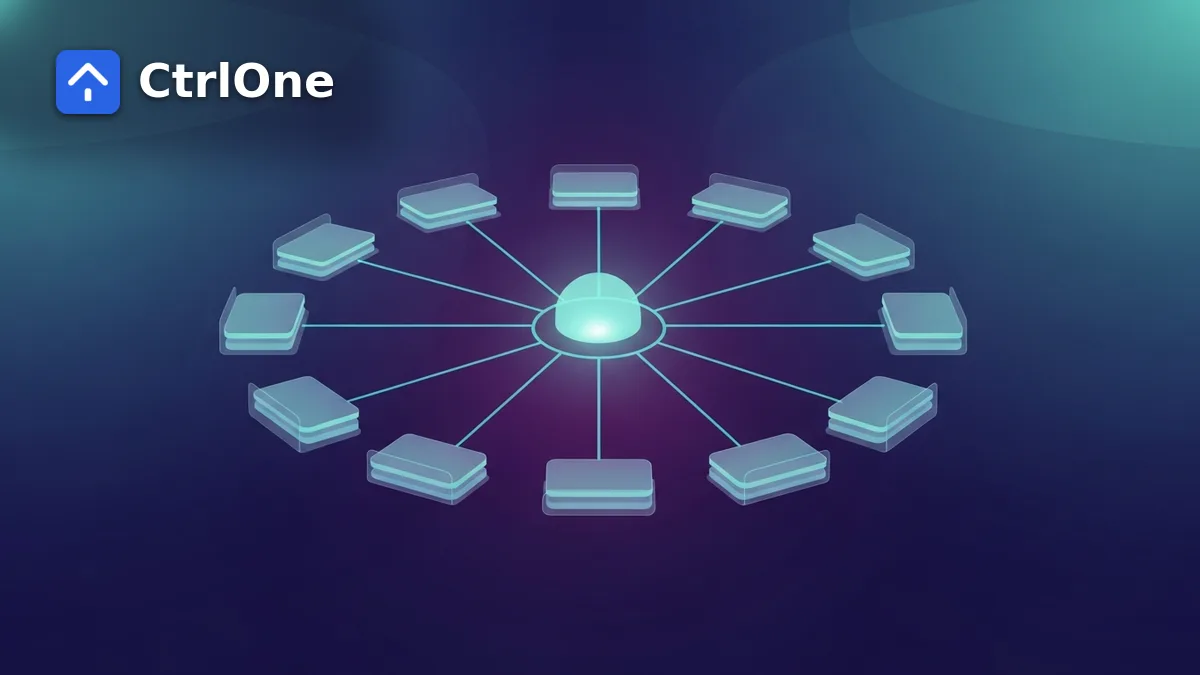
Lock endpoints to their clinical purpose
A clinical workstation should run the applications care requires and little else. CtrlOne lets healthcare IT restrict which applications run, block risky settings and system areas, and control removable devices - so a shared machine stays a clinical tool rather than an open PC. Policy is defined once and applied consistently across the fleet.
Enforcement that holds around the clock
Clinical machines rarely reboot on a schedule and are used by many staff. CtrlOne enforces restrictions tamper-resistant and re-asserts them after restarts, so an endpoint stays in its intended secured state without staff intervention. Security does not quietly drift open over a long shift.
Consistent across a large, mixed fleet
Hospitals have many device types across many departments. CtrlOne applies policy by group, so ICU, radiology, and front-desk machines can each get appropriate rules while staying centrally managed. As a group-policy alternative that does not require domain membership, it fits mixed and remote-clinic environments too.
Manageable without slowing care
Healthcare IT teams are stretched. A single console, group policy, and bulk actions let a small team manage endpoints across the whole organization, and a role-based operator model lets help-desk staff act within their scope. The goal is strong control that stays out of clinicians' way.
Frequently asked questions
How does CtrlOne secure hospital and clinic endpoints?
It restricts which applications run, blocks risky settings, and controls removable devices - applied by group across the fleet, with tamper-resistant enforcement that re-asserts after restarts so machines stay secured around the clock.
Will endpoint security get in the way of clinical staff?
The aim is the opposite - lock machines to their clinical purpose while staying out of the way. Policy is centrally defined and self-maintaining, so staff do not have to re-lock or reconfigure machines.
Does CtrlOne work across different hospital departments?
Yes - group-based policy lets each department get appropriate rules while staying centrally managed, and as a group-policy alternative it does not require domain membership, fitting mixed and remote-clinic setups.
Secure your clinical endpoints
See how CtrlOne locks down hospital and clinic workstations with control that holds around the clock.