Endpoint Security Lifecycle Management
By CtrlOne Team ·
Endpoint security is not a one-time setup; it spans the whole device lifecycle. This whitepaper describes how to keep security consistent from onboarding to decommissioning.
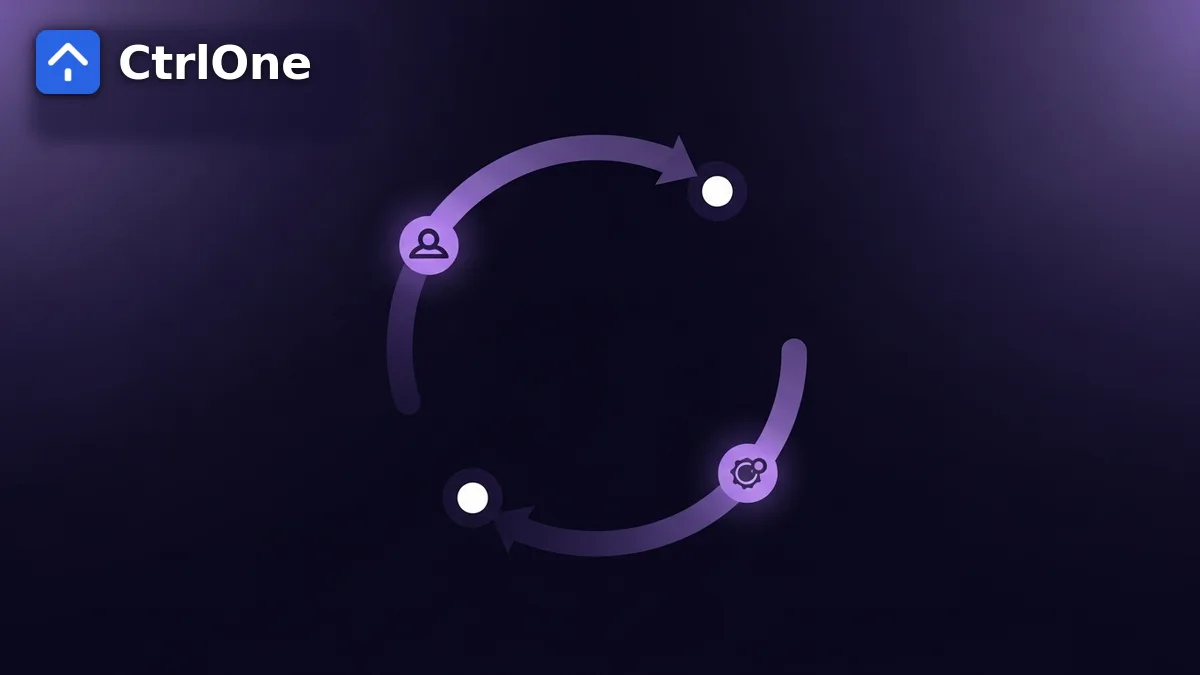
Onboarding to steady state
Security starts at onboarding with an enforced baseline and least privilege, then continues as steady-state governance that keeps configuration aligned as things change.
Change and drift
Every change risks drift. Lifecycle management means detecting and correcting drift and versioning policy so the enforced state stays intentional over time.
Decommissioning cleanly
Retiring a device should remove access and controls cleanly and leave an audit record. CtrlOne supports the lifecycle with deterministic policy, drift correction, versioning, and tamper-evident audit. CtrlOne is a Windows configuration, hardening, and device-governance platform - not an antivirus, EDR, SIEM, or analytics product. It reduces attack surface and produces provable governance evidence, complementing the detection and analytics tools that measure, monitor, and respond.
Frequently asked questions
What does lifecycle management cover?
Onboarding, steady-state governance, change and drift handling, and clean decommissioning - all kept consistent and provable.
Why is drift a lifecycle concern?
Because configuration decays as things change; correcting drift keeps the enforced state intentional over time.
How does CtrlOne support the lifecycle?
Through deterministic policy, drift re-assertion, policy versioning, and a tamper-evident audit log.
Manage the full lifecycle
See how CtrlOne keeps endpoints secure from onboarding to retirement.