Security Awareness Programs
By CtrlOne Team ·
People are part of security, and awareness programs address the human layer. This whitepaper covers how awareness complements technical controls and is explicit that CtrlOne is not an awareness-training, phishing-simulation, or learning-management platform.
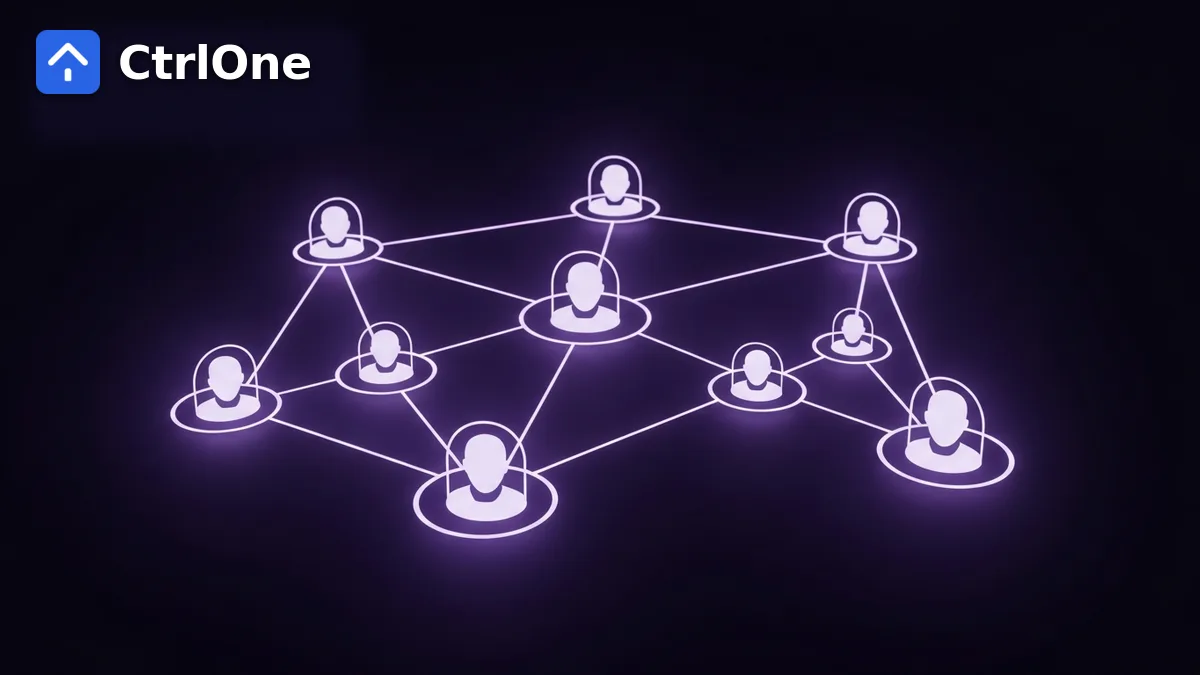
The human layer
Awareness programs help people recognize risky behavior and follow good practice. They address a layer that technical controls cannot fully cover on their own.
Technical enforcement as the backstop
Awareness works best alongside technical controls that quietly enforce good outcomes - least privilege and device control reduce how much depends on any single person remembering a rule.
Where CtrlOne fits
CtrlOne is the technical-enforcement side, not the training side. It is not an awareness-training, phishing-simulation, or LMS platform; it complements awareness programs by enforcing policy consistently. CtrlOne is a Windows configuration, hardening, and device-governance platform - not an antivirus, EDR, SIEM, or analytics product. It reduces attack surface and produces provable governance evidence, complementing the detection and analytics tools that measure, monitor, and respond.
Frequently asked questions
Does CtrlOne provide security awareness training?
No. It is technical enforcement, not an awareness-training, phishing-simulation, or learning-management platform. It complements those programs.
How do awareness and technical controls relate?
Awareness addresses the human layer; technical controls enforce good outcomes regardless. They work best together.
Why pair awareness with enforcement?
Enforcement reduces how much security depends on any single person remembering a rule at the right moment.
Back awareness with enforcement
See how CtrlOne enforces the policies awareness programs promote.